Photonic quantum computation is a quantum computing modality that encodes quantum information directly in the quantum state of light. At face value, light seems like an optimal candidate for...
Author: Ronen Shekel Quantum entanglement stands as one of the most profound and practically significant phenomena in modern physics. In communication, entangled photons enable quantum key distribution schemes whose...
Author: Ronen Shekel Imagine a box with two balls: one red, one blue. Alice takes one ball to Mars and Bob takes the other to Andromeda. The moment Alice...
Author: Ronen Shekel Medical imaging relentlessly pushes toward higher resolution. Distinguishing features separated by mere micrometers can mean the difference between early disease detection and a missed diagnosis. However,...
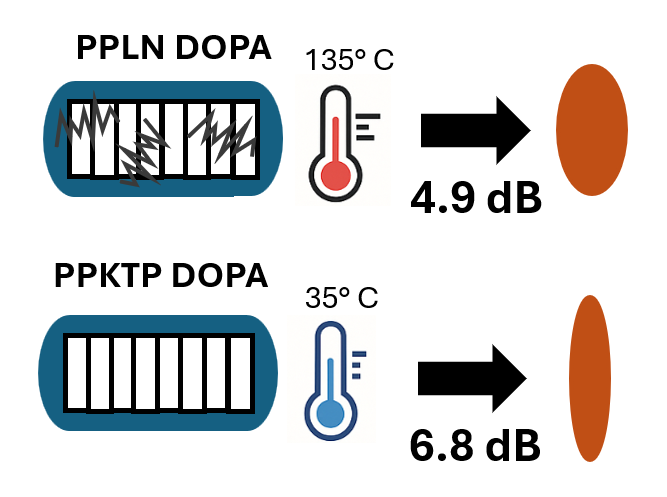
Author: Ronen Shekel Even the most stable laser isn’t perfectly quiet. The fact that light comes in discrete photons introduces statistical fluctuations known as shot noise, leading to the standard quantum...
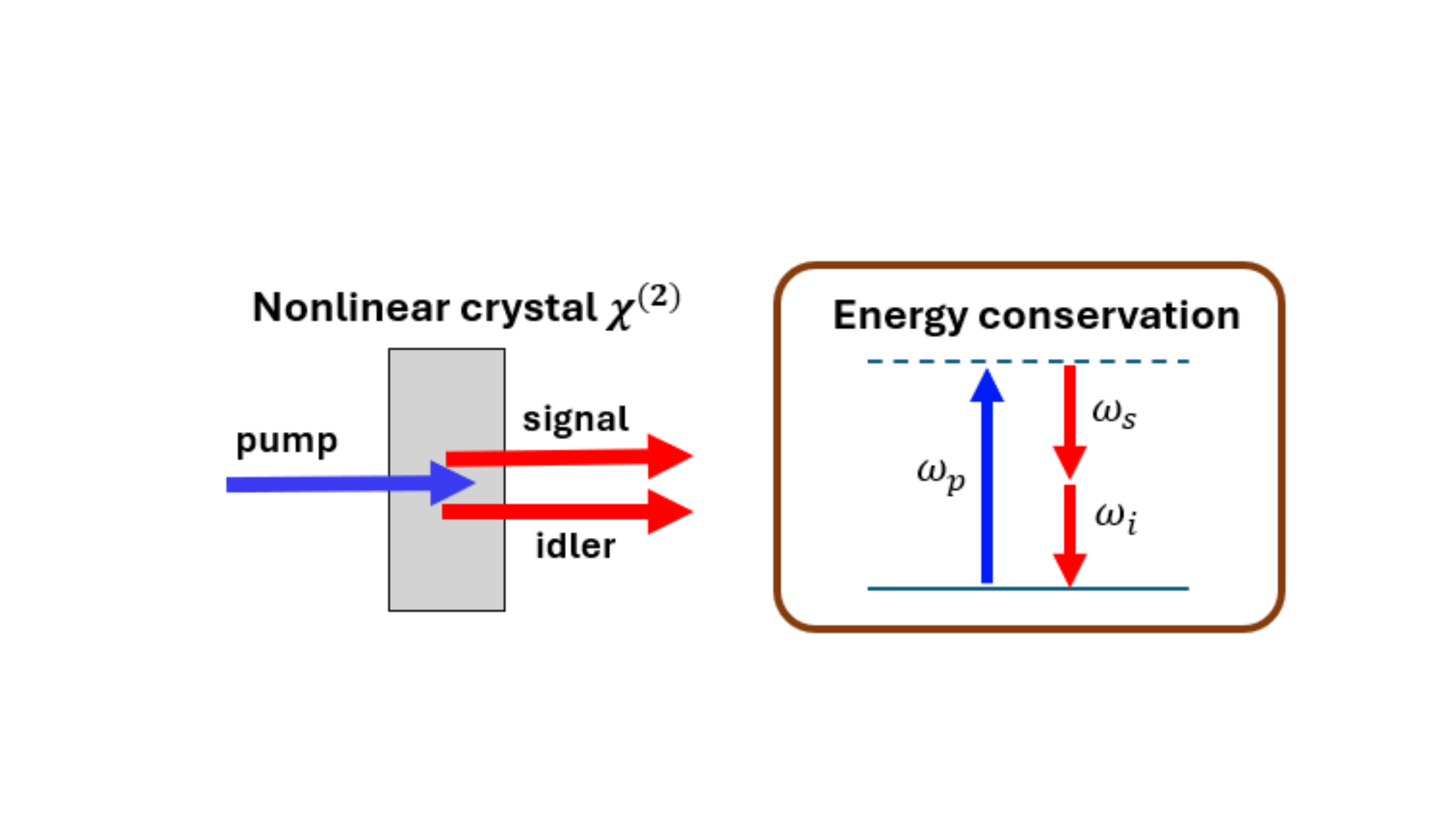
Dispersion cancellation of spectrally entangled photons Author: Ronen Shekel Spontaneous parametric down-conversion (SPDC) is a cornerstone of quantum optics, enabling the generation of entangled photon pairs with remarkable properties....
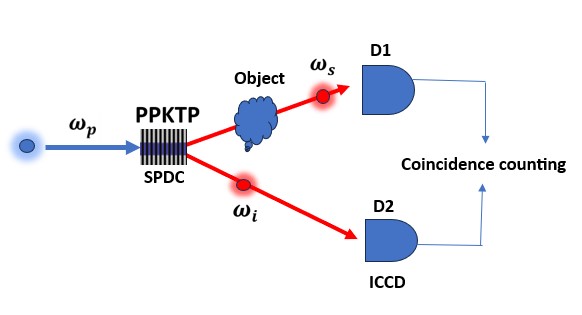
Author: Ronen Shekel Quantum and classical ghost imaging Ghost imaging, one of the first imaging techniques using quantum light, has captivated researchers since its inception in the mid-1990s. The...
Author: Ronen Shekel In a previous post, we talked about how periodic poling provides quasi-phase-matching, its various benefits, and the control it provides over different SPDC parameters. SPDC light is...
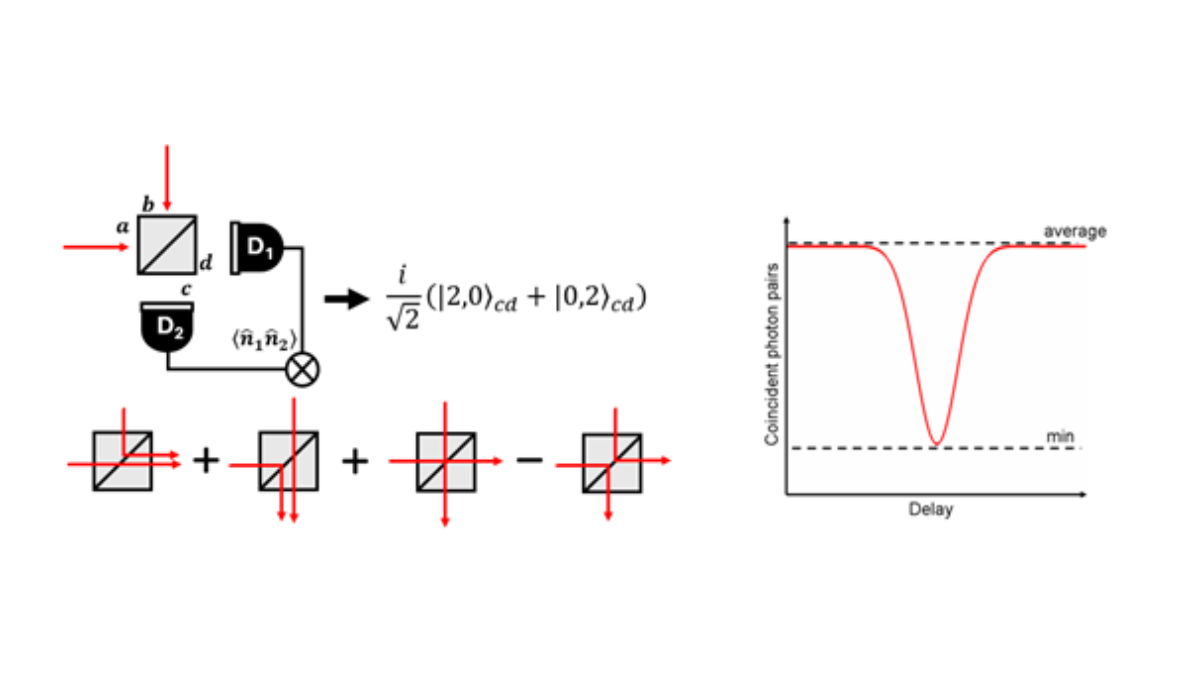
Using the Hog-Ou-Mandel effect for imaging The Hong-Ou-Mandel (HOM) effect is a cornerstone of modern quantum optics. Originally proposed and demonstrated in 1987 by Chung-Ki Hong, Zhe-Yu Ou, and...
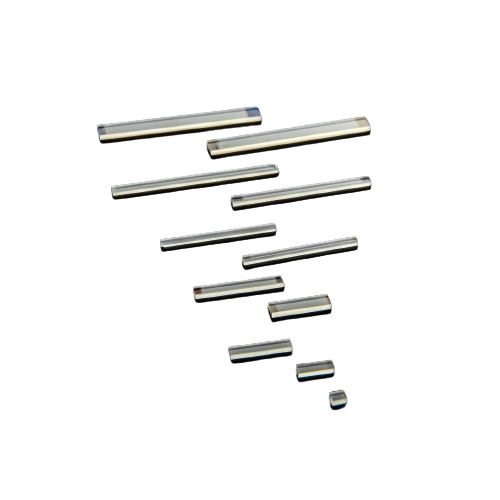
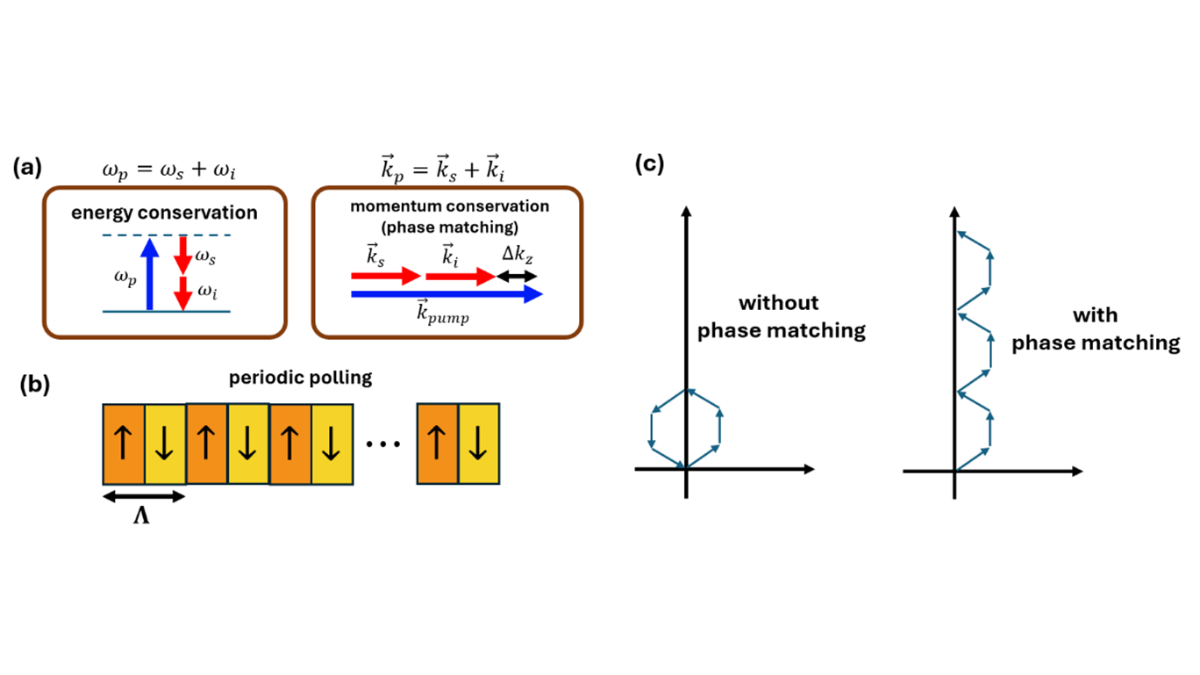
Quasi phase matching with periodic poling The generation of pure nonclassical states of light is one of the most important goals of optical quantum information science. A popular...